
1. What Is Machine Vision: Giving Machines "Eyes" and a "Brain"
Machine vision is a technology that uses camera + algorithm to replace the human eye, accomplishing inspection, measurement, recognition, and positioning. The industrial camera is the "eye" of machine vision — it converts light signals into digital images — while deep learning algorithms are the "brain" that understands content from those images. The leap from "seeing" to "understanding" is the core transformation of machine vision.
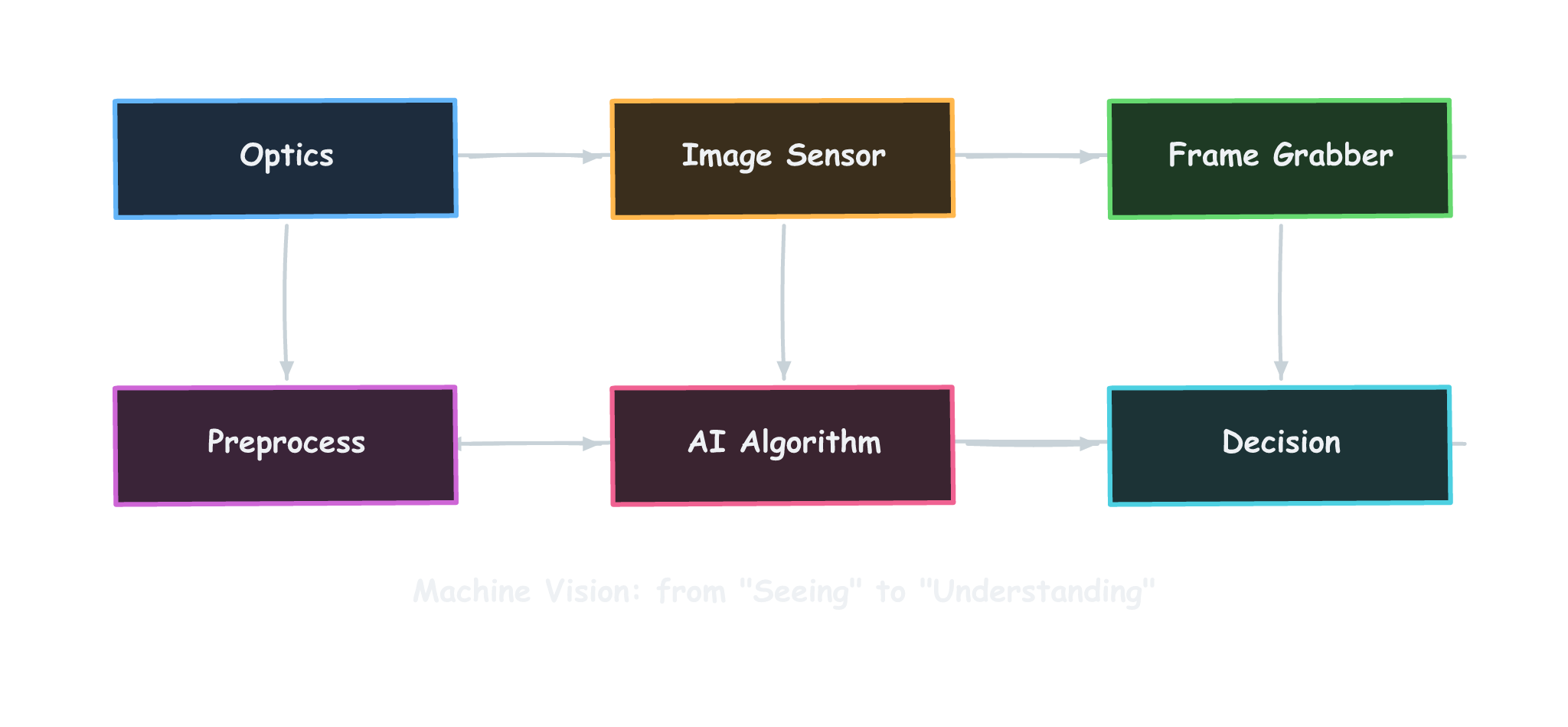
Fig 1: Machine vision system — the data pipeline from optical imaging to intelligent decision-making
An even more cutting-edge concept, Computational Imaging, has completely redefined what it means to "take a picture": instead of pursuing a single sharp photograph, it "captures encoded information first, then reconstructs it with algorithms," thereby obtaining information beyond the limits of traditional optics — such as single-exposure high dynamic range, super-resolution, or even imaging through scattering media. At a recent top-tier computer vision conference, 25 out of 61 computational imaging papers focused on event cameras, making it the hottest direction. Optics and algorithms converge deeply here.
Key Idea: Traditional imaging = optical system directly records; Computational imaging = optical encoding + computational reconstruction. The latter breaks the diffraction limit and images the "invisible."
2. Four Technical Routes of 3D Imaging
The shift from 2D to 3D is the strongest upgrade trend in industrial vision in recent years. In the past, 2D cameras handled single tasks; today, users are willing to pay for 3D cameras that automate multiple workflows. Below is a comparison of the four mainstream technical routes:
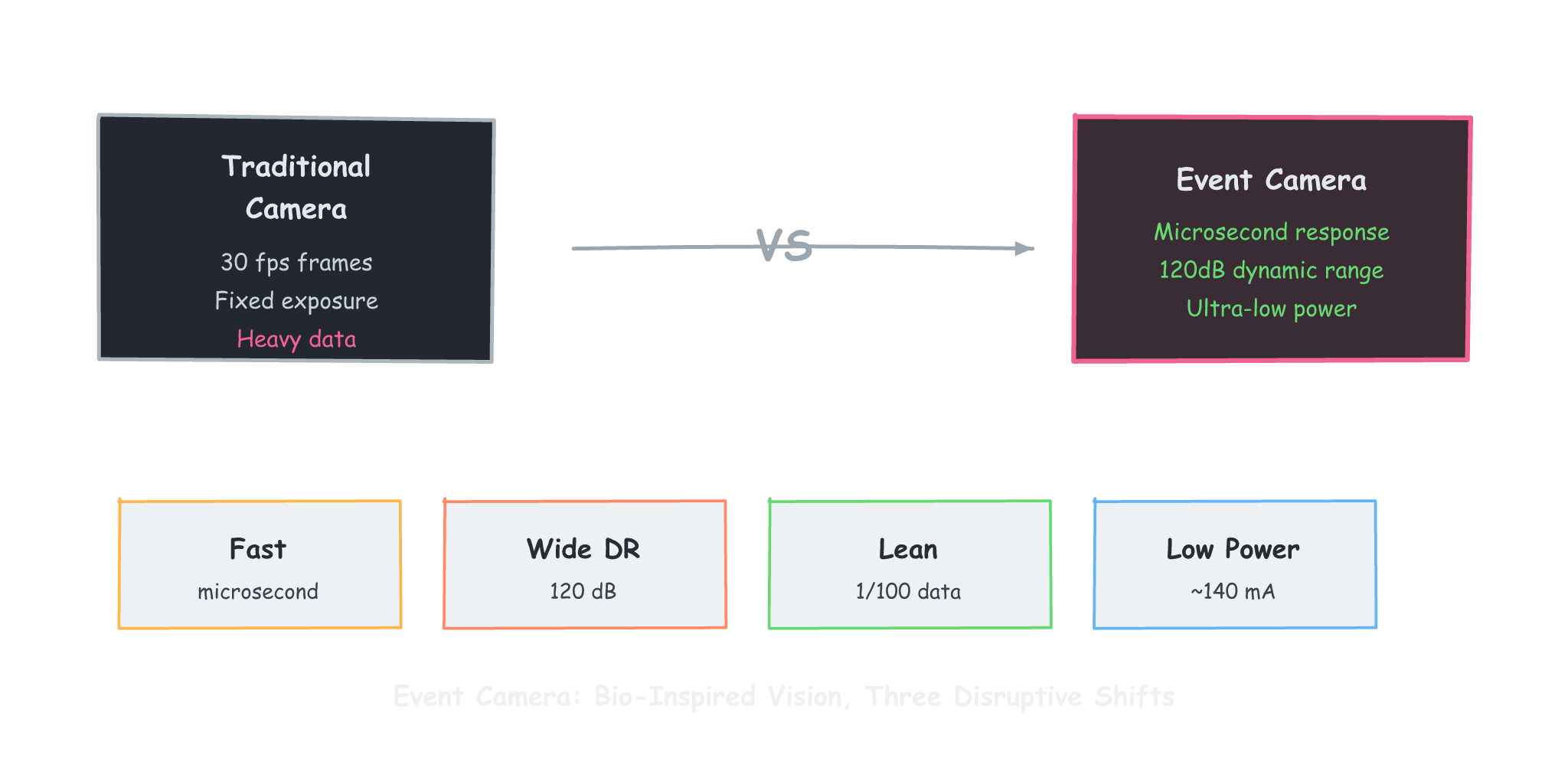
Table 1: Comparison of four major 3D industrial vision technologies
Stereo Vision has the lowest cost and mimics the human binocular eye, ideal for AGV navigation and obstacle avoidance. ToF (Time-of-Flight) measures depth by calculating the round-trip time of light; it maintains ±2cm accuracy at 3m range with 30fps, suitable for large-space logistics sorting. Laser Triangulation achieves micron-level precision through laser line scanning, serving as the workhorse for automotive welding quality inspection. Structured Light projects full-field light patterns and captures sequential images to reconstruct 3D shapes — it can "acquire high-precision 3D data in a single snapshot," becoming essential for precision parts production lines.
3. Major Breakthroughs in 2025-2026
3.1 Milestone: Domestic High-End CMOS Goes Public
In April 2026, a leading domestic high-end CMOS image sensor company officially listed on the Hong Kong Stock Exchange main board, becoming a landmark IPO in the field; earlier in February, another vision technology company debuted on the Science and Technology Innovation Board. Their consecutive listings signal that domestic machine vision core components are stepping onto the international capital stage.
3.2 Brain-Inspired Vision Camera: "Three-in-One" Sensing, Memory & Compute
In March 2026, a top domestic university partnered with several renowned international institutions to develop a low-power brain-inspired vision camera. Based on the first multifunctional photodiode architecture integrating "light sensing + memory + processing" in one, it features image denoising and classification capabilities — an efficient, low-power edge-computing vision camera that fuses perception and inference directly at the pixel level.
3.3 Homegrown MEMS Micro-Mirror Fills the Gap
A domestic tech company successfully mastered the core technology of self-developed MEMS micro-mirror chips, filling a gap in high-precision miniature 3D cameras. The MEMS micro-mirror is the "heart" of structured-light/laser-scanning 3D cameras; its localization will significantly reduce the cost of miniature 3D cameras.
3.4 Dense Deployment of 3D Structured-Light Cameras
At a major industry vision exhibition in early 2026, several compact 3D structured-light cameras were unveiled: high resolution, lightweight (only ~230g), shattering the stereotype that "industrial cameras = bulky equipment." Additionally, TDI (Time Delay Integration) technology achieves low-light imaging through 128-level stacked exposure, boosting sensitivity tenfold and raising detection rates in weak-light scenarios from 95% to 99.99%.
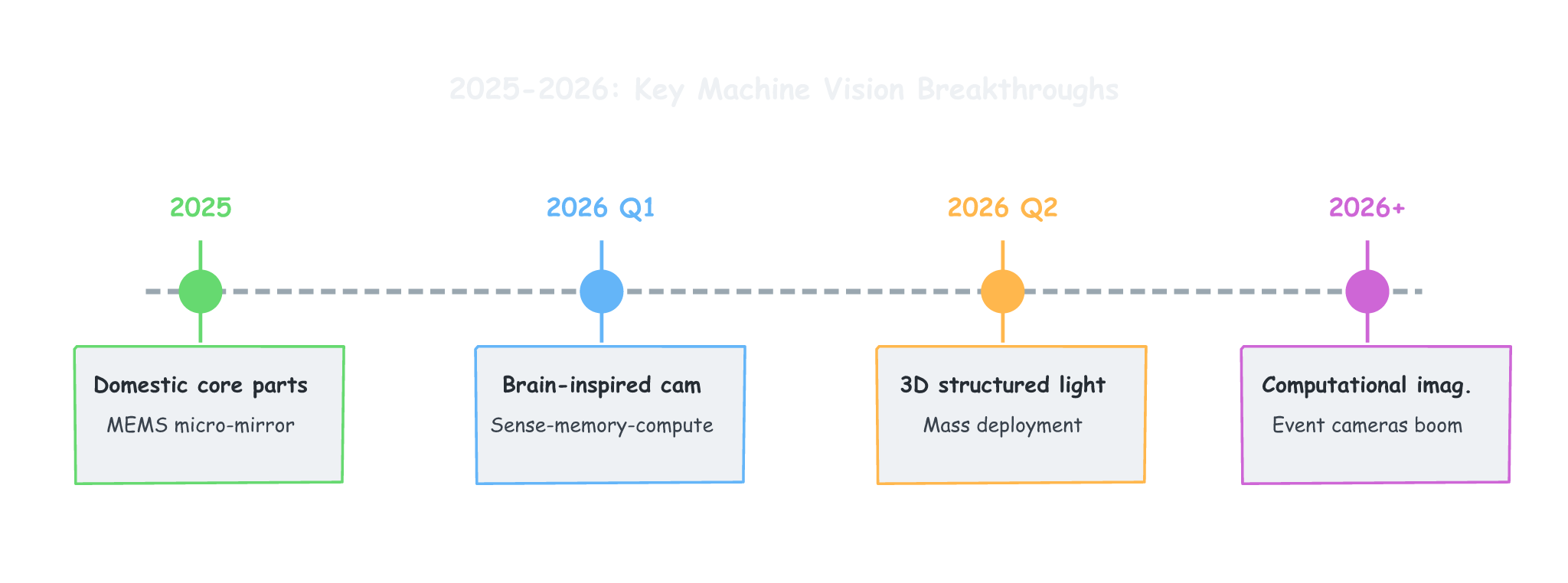
Fig 2: 2025-2026 Key Machine Vision Breakthroughs Timeline
4. Event Cameras: A Paradigm Revolution in Bio-Inspired Vision
If a traditional camera is "taking 30 fixed photos per second," an Event Camera mimics biological vision — each pixel has an independent circuit that continuously monitors logarithmic brightness changes. Once the change exceeds a threshold, it immediately generates an event data packet containing (x, y) coordinates, a microsecond-level timestamp, and polarity (brightness increase/decrease), transmitted via an asynchronous protocol.
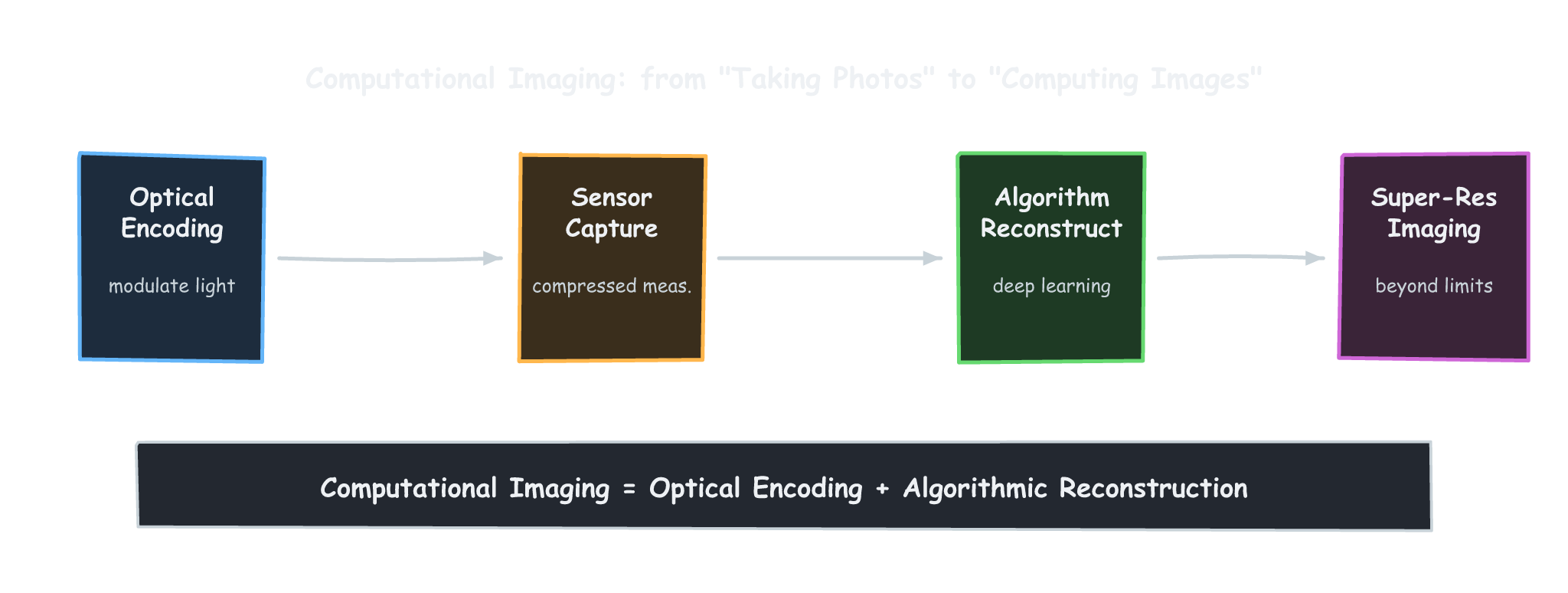
Fig 3: Event Camera vs Traditional Camera — Three Disruptive Advantages
This brings three disruptive advantages: microsecond-level temporal resolution (3-6 orders of magnitude faster than traditional 30-1000fps), 120dB ultra-high dynamic range (works under strong backlight or low light), and ultra-low data volume (zero transmission in static scenes, power consumption only 140-180mA). This bio-inspired efficient, low-power perception model is becoming a new paradigm for neuromorphic computing and high-speed motion analysis. The global event camera market is projected to grow at a CAGR of 34.7%.
5. Computational Imaging: Breaking the Optical Limits
The core idea of computational imaging is "optical encoding + algorithmic reconstruction." Rather than pursuing a single sharp photo, it acquires "compressed information" through clever optical modulation, then reconstructs images beyond traditional optical limits using deep learning and other algorithms.
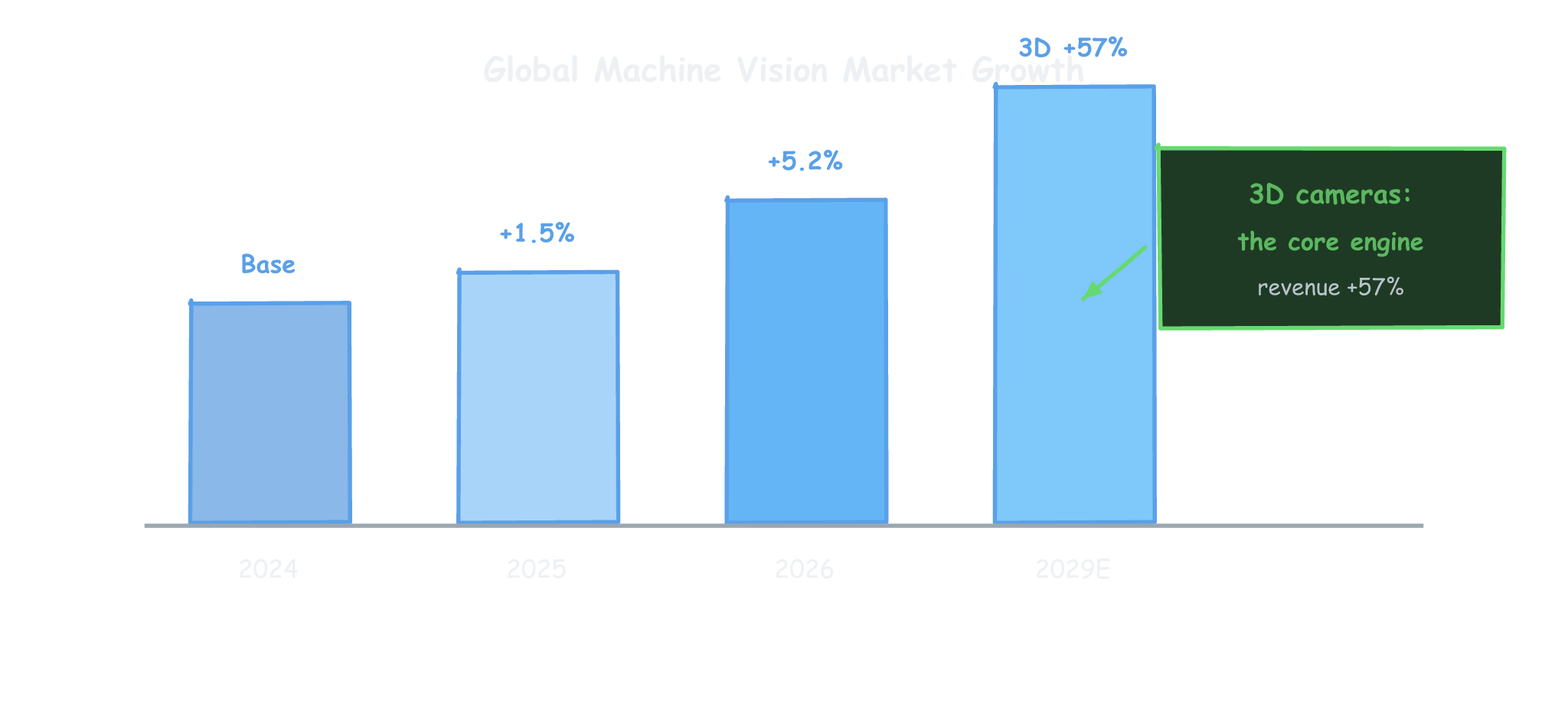
Fig 4: Computational imaging workflow — from encoding to reconstruction
Typical applications include: single-exposure high dynamic range imaging, super-resolution reconstruction, imaging through scattering media, and 3D holography. The deep fusion of optics and algorithms is opening a new era of imaging the "invisible."
6. Market Landscape and Domestic Progress
According to industry forecasts, the global machine vision market will grow 1.5% in 2025 and 5.2% in 2026; meanwhile, 3D camera revenue is expected to grow 57% between 2024-2029, making it the primary growth engine. The domestic 3D vision market surpassed ¥28 billion in 2025.
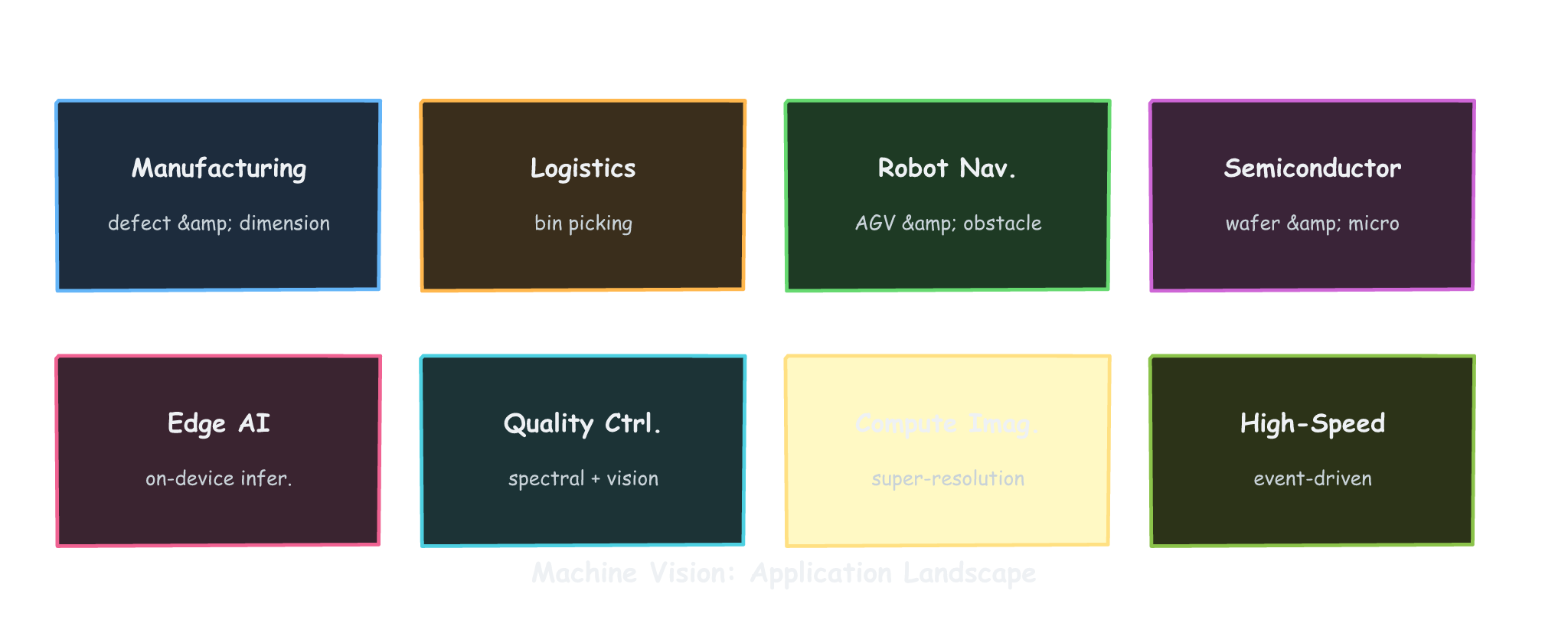
Fig 5: Global machine vision and 3D camera market growth trends
In terms of competition, international giants have long dominated the high-end market; domestic brands already hold major share in the 2D segment and are rapidly penetrating 3D. Notably, domestic core components are rising: high-end CMOS sensors, vision systems, and MEMS micro-mirrors are filling the critical gaps in the domestic vision supply chain, from chips to modules. The integration of edge AI platforms with industrial cameras is further pushing "edge intelligence" onto the production line.
7. Application Landscape: From Production Lines to Robots
Machine vision is the "sensory nervous system" of smart manufacturing, with a broad and deep application landscape:
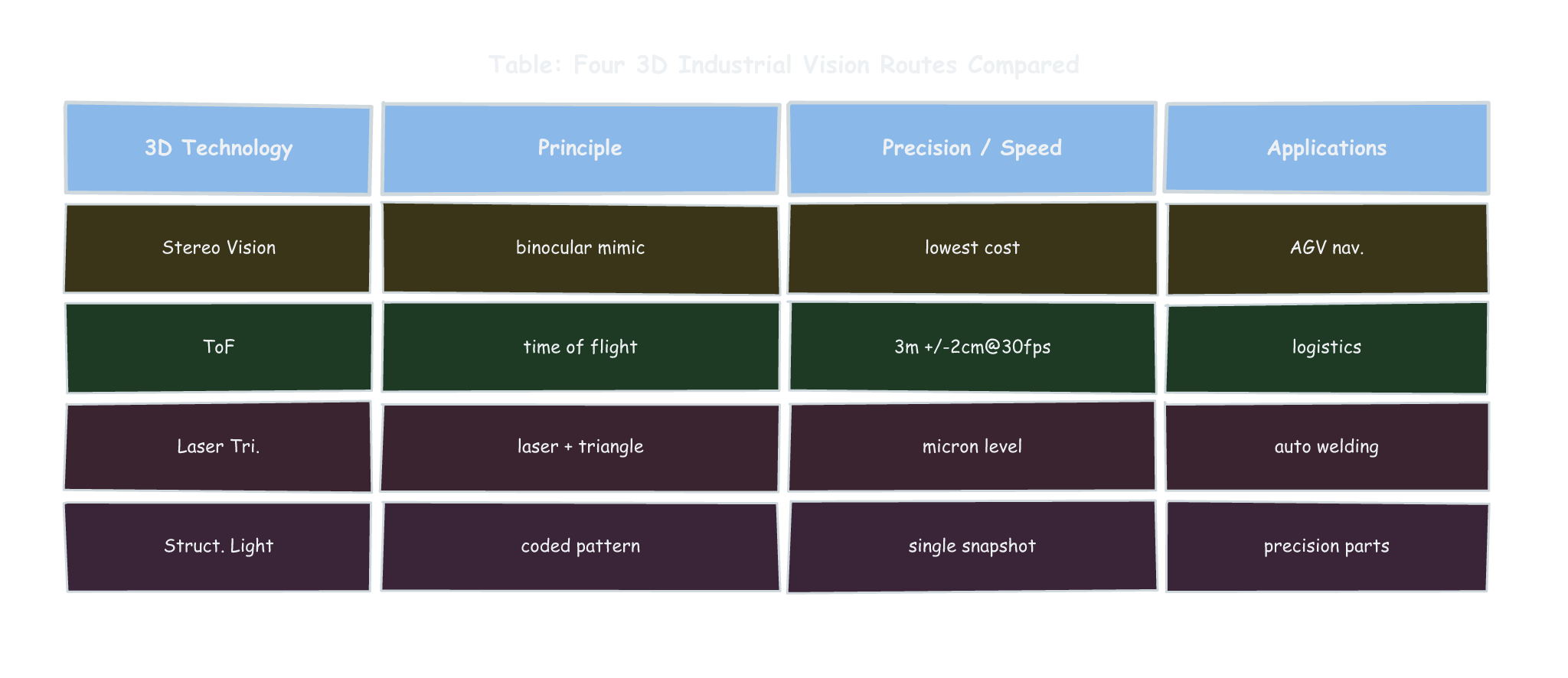
Fig 6: Eight core application scenarios of machine vision
Manufacturing Inspection: Dimensional and defect inspection of precision parts; TDI and 3D cameras dramatically improve detection rates
Logistics Automation: Robots combine 3D cameras and AI for bin picking and palletizing
Robot Navigation: Stereo vision and ToF enable autonomous mobility
Semiconductor & Medical: High-resolution cameras for wafer inspection and microscopy imaging
Edge AI Vision: Inference moves to the device side, enabling real-time recognition without the cloud
8. Summary and Outlook
Machine vision is undergoing a triple transformation: from "seeing" to "understanding," from "2D" to "3D," and from "taking photos" to "computing images." As CMOS sensors, MEMS micro-mirrors, and brain-inspired pixels fuse perception with computation, industrial cameras no longer merely record light — they begin to "understand" it.
Four Future Trends:
• AI-ification: Edge intelligence embeds inspection algorithms into cameras for "shoot and judge instantly"
• 3D-ification: From point measurement to full-field 3D, becoming standard on production lines
• Event Camera-ification: Microsecond-level, low-power, high-dynamic-range, reshaping high-speed perception
• Computational Imaging-ification: Optical encoding + algorithmic reconstruction, breaking traditional optical limits
When machines grow a "smart eye," the boundaries of manufacturing are being redefined.