
I. The Sagnac Effect: The Physical Foundation of FOG
The core physical principle of the Fiber Optic Gyroscope (FOG) is the Sagnac effect — when a beam of light propagates clockwise and another counter-clockwise in a closed optical path, if the path rotates about an axis perpendicular to its plane, the two beams experience different optical path lengths, proportional to the rotation rate. This path difference manifests as a phase shift when the beams recombine, allowing precise extraction of the angular velocity.
In 1913, French physicist Georges Sagnac first demonstrated this effect experimentally. In 1976, Vali and Shorthill at the University of Utah coiled optical fiber to significantly increase the effective optical path, making the Sagnac effect measurable — laying the foundation for modern FOGs.
Compared to mechanical gyroscopes, FOGs offer fundamental advantages: no moving parts (MTBF up to hundreds of thousands of hours), instant start-up, solid-state shock resistance (hundreds of g), wide dynamic range, and continuously improving cost efficiency.

Figure 1: Sagnac effect — clockwise and counter-clockwise beams along the same circular path
II. Technology Roadmap: From Interferometric to Photonic Integrated Chip
Over decades, FOGs have evolved into a complete spectrum from high-precision interferometric to low-cost resonant, and the latest trend — photonic integrated chip (PIC-FOG).
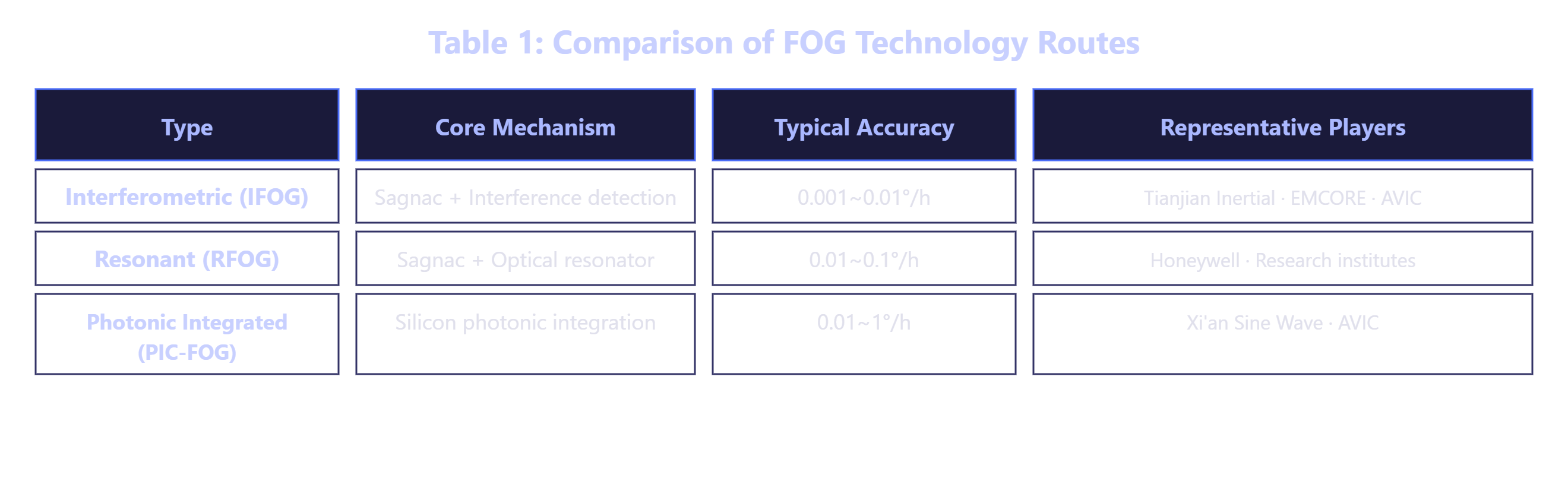
Figure 2: Comparison of three main FOG technology routes
Interferometric FOG (IFOG) is the most mature and highest-precision type, using a long fiber coil (typically hundreds of meters to kilometers) to enhance the Sagnac effect. Longer fibers yield higher sensitivity.
III. Domestic Breakthroughs: From Dependency to Self-Reliance
3.1 AVIC Xi'an Flight Control: Silicon Photonic Integrated Chip FOG
In February 2026, the AVIC Xi'an Flight Automatic Control Research Institute published a paper on “Silicon Photonic Integrated Chip Fiber Optic Gyroscope,” announcing the successful development of a silicon photonic integrated chip FOG based on a fully domestic DUV lithography process — a critical step toward self-reliance in semiconductor manufacturing.
The design integrates the broadband source, coupler, Y-branch, phase modulator, and photodetector onto a single silicon photonic chip, leaving only the fiber coil external. Advantages include: simplified process, rapid engineering deployment, dramatic size and weight reduction, and performance comparable to imported devices under domestic lithography constraints. This breakthrough eliminates dependency on foreign foundries for critical optical components, paving the way for cost-effective mass production of precision-guided weapons.
3.2 Changyingtong: Third-Generation Photonic Chip Taped Out
Wuhan Changyingtong Optoelectronics (688143) is a leading domestic fiber-optic coil manufacturer. In December 2025, its third-generation FOG photonic chip completed tape-out and is now undergoing wafer processing and prototype testing. The chip offers small size, low cost, low power, scalability, and high precision, targeting weapons, aerospace, UAVs, and autonomous vehicles.
3.3 Tianjian Inertial: Batch Production at 0.001°/h
Tianjian Inertial Technology, with nearly 30 years of experience, is a national specialized and sophisticated enterprise. Its FOG batch precision reaches up to 0.001°/h (about 1/7000 of Earth's rotation rate) with an annual capacity exceeding 10,000 axes. The product line covers tactical, navigation, and inertial grades.
3.4 Rapid Civilian Penetration
In the civilian sector, multiple companies are launching cost-effective fiber IMUs. Photonic integrated chip FOGs (PIC-FOG) are accelerating penetration into UAVs, unmanned vessels, and smart driving with “fiber-grade performance at MEMS cost.”
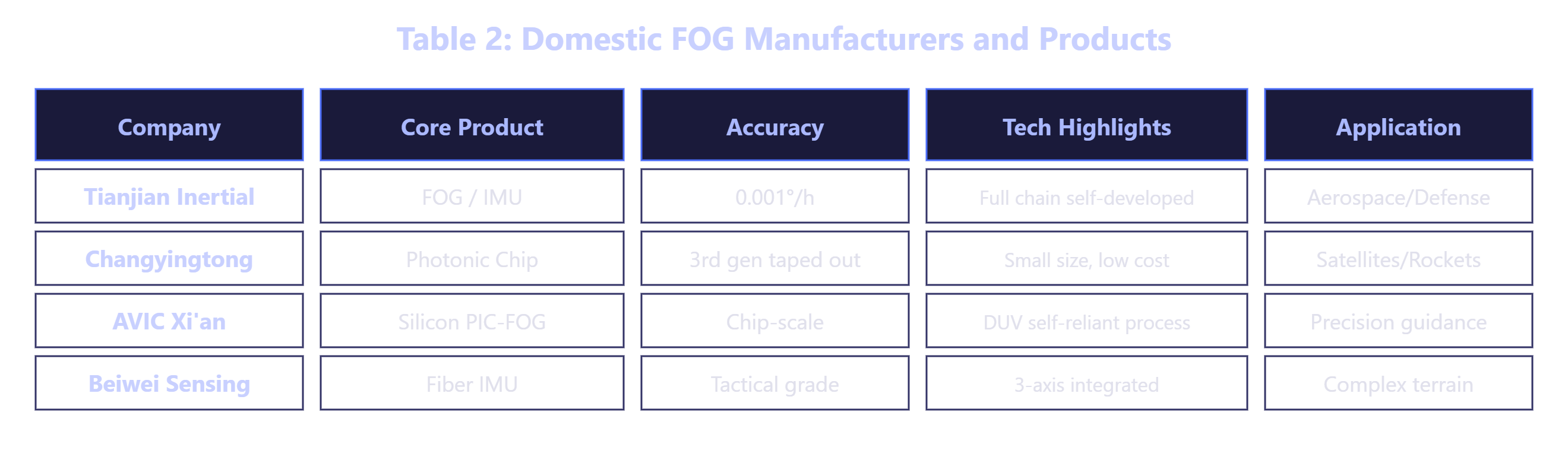
Figure 3: Major domestic FOG manufacturers and representative products
IV. Application Scenarios: From ICBMs to Agricultural Drones
4.1 Precision Guidance and Aerospace
FOGs are irreplaceable in aerospace and defense for satellite attitude control, rocket flight measurement, and missile guidance. Unlike GNSS, FOGs operate independently of external signals, making them the last line of defense against jamming and spoofing.
The massive deployment of LEO satellite constellations creates a potential market for tens of thousands of axes.
4.2 Low-Altitude Economy and UAVs
In 2025, the low-altitude economy became a national strategy, driving explosive growth in drone logistics, urban air mobility (UAM), and eVTOL. PIC-FOGs are penetrating these markets with “fiber-grade performance at MEMS cost.”
4.3 Autonomous Driving and Robotics
In L4/L5 autonomous driving, IMUs serve as the final redundancy when lidar and vision fail. Tactical-grade IMU prices have dropped from tens of thousands to $500-1000, and PIC-FOG prices are converging toward this range.
In industrial automation (AGV, AMR, mining), FOGs complement MEMS: FOG provides long-term stability, MEMS offers high-frequency response, together enabling robust integrated navigation.
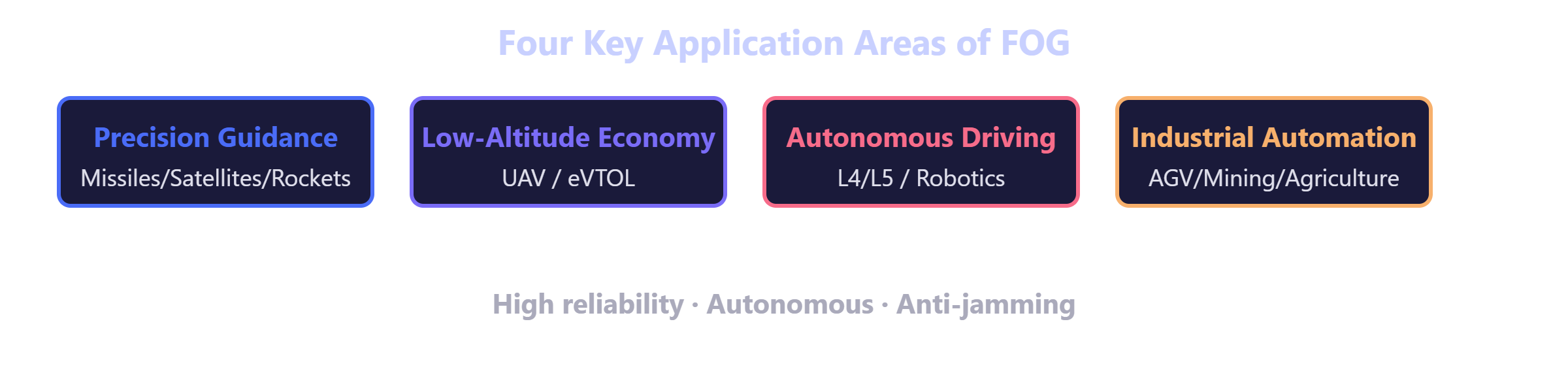
Figure 4: Four typical application scenarios of FOG
V. Market and Technology Trends: Four Directions in 2026
5.1 Photonic Integration: FOG-on-Chip
Photonic integration is the most important evolution trend for FOGs. Integrating all optical components (source, coupler, modulator, detector) onto a silicon or silicon nitride chip, leaving only the fiber coil external, can reduce size by 10× and cost by over 2/3, while dramatically improving batch consistency.
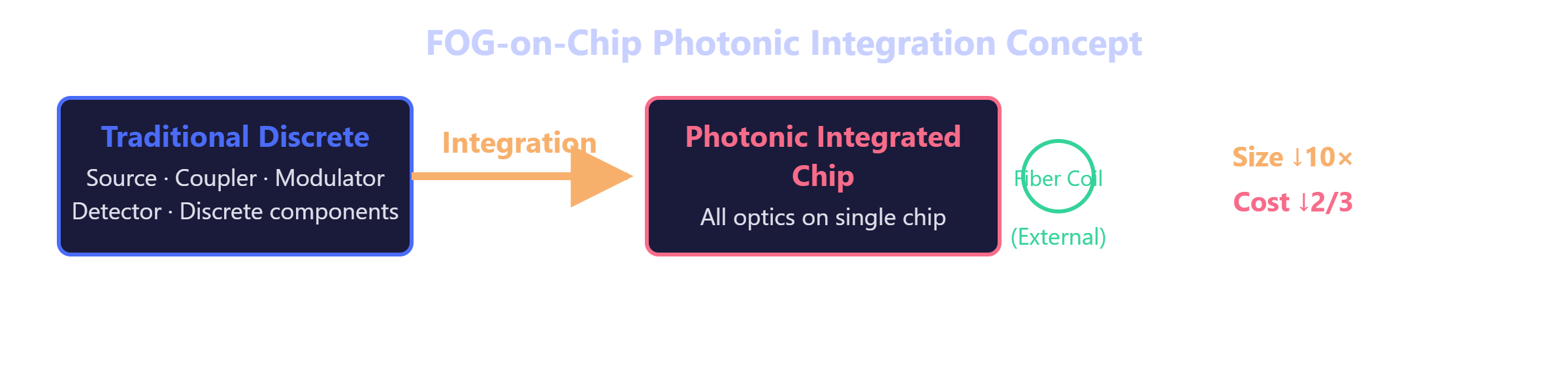
Figure 5: Evolution from discrete to photonic integrated FOG
5.2 Dual-Track: High Precision + Low Cost
The FOG market is polarizing: inertial-grade FOGs (<0.01°/h) continue to dominate ships, strategic weapons, and satellites; tactical-grade PIC-FOGs (0.01~1°/h) are penetrating UAVs, robotics, and consumer autonomous driving.
5.3 Integrated Navigation and Multi-Sensor Fusion
FOGs are deeply coupled with GNSS, visual odometry, and LiDAR SLAM. Factor-graph optimization and error-state Kalman filtering are standard in L4/L5 autonomy. FOG serves as the “time reference” — providing drift-free instantaneous angular rates for reliable inertial dead-reckoning.
5.4 Quantum Enhancement and Atom Interferometry
Atom-interferometric gyroscopes promise 2–3 orders of magnitude improvement in sensitivity. While still in early engineering, FOG technology provides a platform for future quantum navigation.
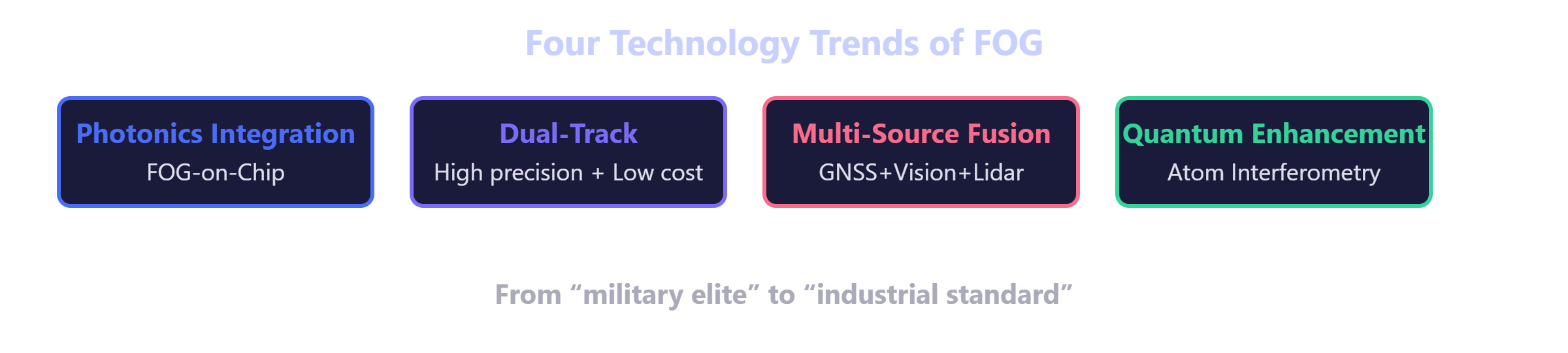
Figure 6: Four technology trends of fiber optic gyroscopes
VI. Conclusion and Outlook: From “Fiber Coil” to “Photonic Chip”
The history of FOG is a technological evolution from a classical optical effect to a core navigation component, integrating optics, signal processing, and photonic integration. When the Sagnac effect was discovered in 1881, no one could have predicted it would become the “sight” for missile guidance, the “stabilizer” for satellites, and the “inner ear” for drones.
Looking ahead, FOG will advance along three parallel tracks:
Chip-scale integration: PIC-FOG will reshape the industry, opening massive civilian markets (robotics, UAVs, autonomous driving) and making FOGs from “military elite” to “industrial standard.”
Intelligent fusion: As a core IMU element, FOG will be embedded in the perception layer of smart driving, smart cities, and industrial IoT.
Quantum frontier: Atom-interferometric gyroscopes represent the next frontier, potentially pushing inertial navigation precision by another order of magnitude in the next 10–20 years.
When a UAV autonomously navigates in a GPS-denied urban canyon, a missile hits its target under electronic jamming, or a warship maintains course in deep seas without satellite signals — supporting all of these is often the quiet fiber optic gyroscope, spinning in the IMU, sensing angular velocity at the speed of light.
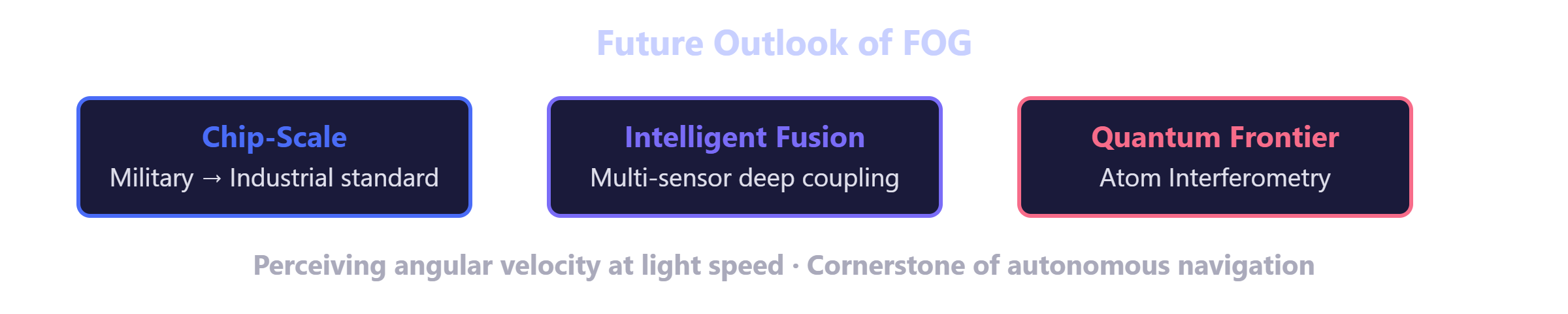
Figure 7: Three future directions of FOG technology